Source Industrial Baled Products Forklift Clamp for Bale Handling
Find and compare 30 industrial baled products forklift clamp options for efficient material handling. These hydraulic attachments offer sideshifting, rotating, and clamping functions to streamline bale processing operations.
Key considerations
Products List


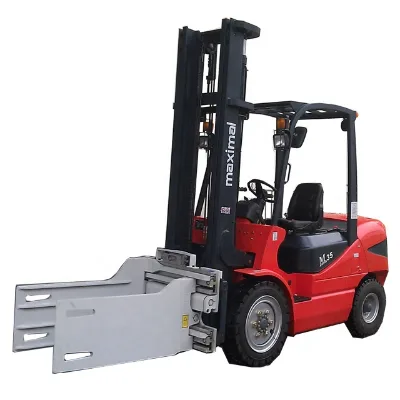
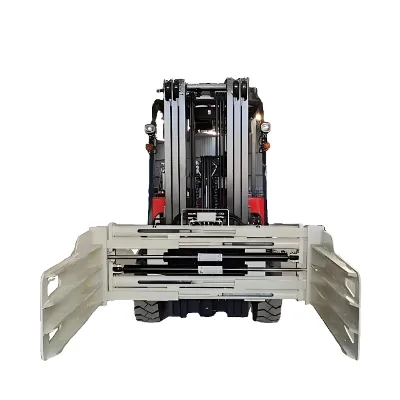
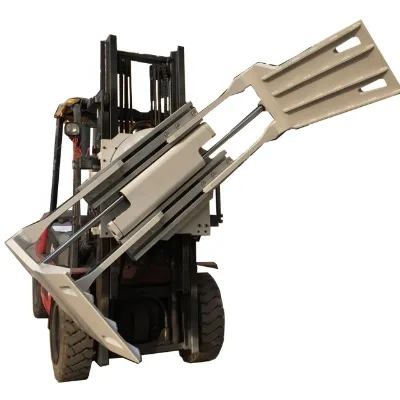
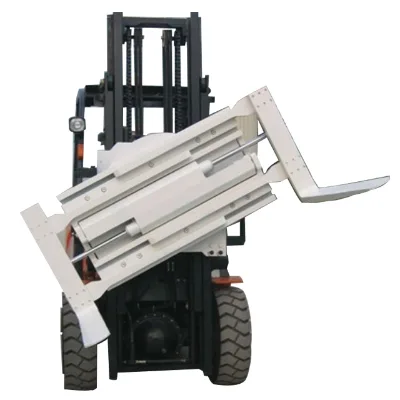
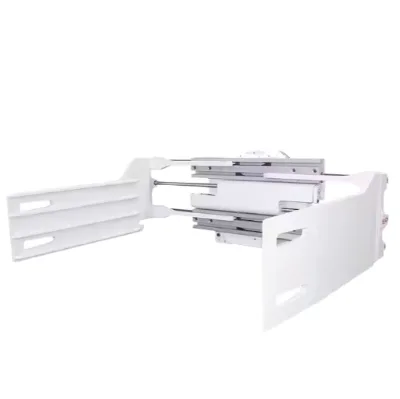
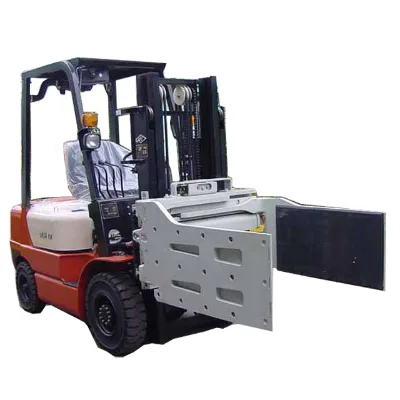

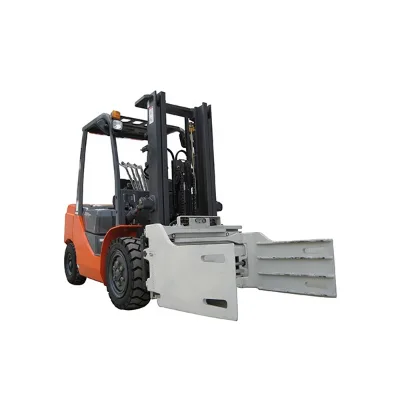


Comprehensive Sourcing Guide
Industrial Baled Products Forklift Clamp Sourcing Guide
Procuring the right attachment for handling industrial baled products requires a precise understanding of mechanical capabilities and operational constraints. These specialized forklift attachments, often categorized under material handling equipment, are designed to secure, lift, and transport dense, compressed materials such as paper, plastic, or textile bales. The core functionality revolves around clamping mechanisms that provide the necessary force to hold the load securely during transit, preventing slippage or collapse. Buyers must recognize that these are not standard forks but complex hydraulic or electrically powered systems that integrate directly with the forklift’s carriage, requiring careful evaluation of compatibility and power source requirements before finalizing a purchase.
The market for these attachments is characterized by a wide range of customization options and specific model designations that dictate their performance limits. Listings often reveal a diverse array of product models, including designations like BCS, BCR, FCR, and various Bale Clamp series (e.g., BALE CLAMP-2, BALE CLAMP-3, BALE CLAMP-4, BALE CLAMP-9), each tailored to different bale sizes and weights. Furthermore, the observed product landscape includes variations in power sources, ranging from hydraulic types to AC motor-driven systems, and functional attributes such as sideshifting, rotating, and revolving capabilities. This diversity means that a one-size-fits-all approach is ineffective; buyers must align the specific mechanical features of the clamp with the operational demands of their warehouse or recycling facility.
Product Scope and Observed Listing Signals
The observed product listings indicate a significant variation in load capacity, typically ranging from 1 ton to 5 tons, which serves as a primary filter for potential buyers. This capacity range suggests that the equipment is suitable for medium to heavy-duty industrial applications, such as recycling centers, paper mills, or large-scale logistics hubs. The presence of models with specific load centers, such as 500mm or 600mm, highlights the importance of matching the clamp’s geometry to the specific dimensions of the bales being handled. Buyers should note that while the capacity is a critical metric, the actual safe working load may be influenced by the forklift’s own lift capacity and the stability of the combined unit during operation.
Another key signal from the listings is the emphasis on customization and specific functional attributes. Many suppliers offer customized solutions, allowing buyers to tailor the attachment to their unique operational needs. Attributes such as "Sideshifting" (with observed ranges like +100mm/-100mm) and "Rotating" (up to 360 degrees) are frequently highlighted, indicating that these attachments are designed for high-precision placement and efficient space utilization. The color options, including white, black, grey, and orange, are primarily aesthetic or for safety visibility, but the functional differences, such as the ability to handle gradients up to 13-15%, are critical for operational safety on uneven surfaces or inclined ramps.
Technical Specifications to Verify
When evaluating technical specifications, the power source is a fundamental decision point. Listings show a mix of hydraulic and electric (AC Motor) options, each with distinct advantages. Hydraulic systems are traditional and robust, leveraging the forklift’s existing hydraulic power unit, while electric options, such as those with AC motors, may offer more precise control and smoother operation, reducing wear on the forklift’s hydraulic system. Buyers must verify the electrical or hydraulic requirements of their existing fleet to ensure compatibility. The condition of the equipment is consistently listed as "New," but the specific model numbers, such as CPD1830-2 or CPD1530-3, should be cross-referenced with the forklift manufacturer’s compatibility charts to avoid integration issues.
The physical dimensions and packing details are also critical for logistics and installation. Standard dimensions like 107012245mm or 180120100cm are mentioned, but these likely refer to packaging or specific component sizes rather than the entire clamp assembly. Buyers should request detailed dimensional drawings to ensure the attachment fits within their warehouse aisles and on their forklift carriages. Additionally, the surface treatment, such as polishing, and the use of materials like steel pallets or plywood for packing, indicate the level of protection during shipping. These details affect the arrival condition of the equipment and the ease of installation, so verifying the packing standard is essential to prevent damage during transit.
Compliance and Safety Documentation
Compliance with international standards is a non-negotiable aspect of sourcing industrial attachments. The listings frequently mention certifications such as CE, ISO, TUV, and GS, which are critical for ensuring that the equipment meets safety and quality benchmarks in various markets. Buyers must verify that the specific model they are purchasing carries the relevant certifications for their region of operation. For instance, CE marking is mandatory for products sold in the European Economic Area, while other regions may have different regulatory requirements. The presence of these certifications suggests that the manufacturer adheres to recognized engineering and safety practices, but buyers should always request valid certificates for the specific batch or model.
Safety features and operational reliability are further emphasized through attributes like "Reliable and Stable Performance" and "More Precise Control." These claims should be substantiated by technical documentation, including load charts and safety manuals. The ability to handle gradients and the precision of sideshifting mechanisms contribute to overall safety by reducing the risk of load shifts or accidents. Buyers should ensure that the supplier provides comprehensive operating instructions and safety warnings, particularly regarding the maximum grade ability and the proper use of rotating and clamping functions. Verifying that the equipment is designed to prevent accidental release or uncontrolled movement is crucial for protecting both personnel and inventory.
Cost Drivers and Commercial Terms
The cost of industrial baled products forklift clamps is influenced by several factors, including the complexity of the mechanism, the power source, and the level of customization. The observed price range of $500 to $23,000 USD reflects this variability, with basic hydraulic clamps likely at the lower end and advanced electric or highly customized models at the higher end. Buyers should understand that the initial purchase price is only one component of the total cost of ownership. Factors such as the durability of the materials, the quality of the surface treatment, and the availability of spare parts will impact long-term costs. It is advisable to request a detailed breakdown of costs to understand what is included in the price, such as installation support or training.
Commercial terms, including minimum order quantities (MOQ) and packing standards, also play a significant role in the procurement process. The observed MOQ of 1 suggests that suppliers are flexible and willing to accommodate single-unit purchases, which is beneficial for small-scale operations or trial orders. However, buyers should be aware that larger orders may offer better pricing or priority production. The packing methods, ranging from steel pallets to export-standard wooden crates, affect shipping costs and insurance premiums. Buyers should negotiate clear terms regarding delivery, warranty, and after-sales support to mitigate risks associated with international trade and ensure a smooth procurement experience.
Supplier Qualification and Quality Control
Supplier qualification is a critical step in ensuring the reliability of the purchased equipment. Given that the products originate from China, buyers should conduct thorough due diligence on the manufacturer’s capabilities and reputation. This includes verifying their production facilities, quality control processes, and history of exporting similar products. The mention of "Made in China" and "China" as the origin is common, but buyers should look for suppliers with established track records and positive feedback from other international clients. Requesting references or case studies can provide insight into the supplier’s ability to deliver consistent quality and meet deadlines.
Quality control measures should be explicitly defined in the purchase agreement. Buyers should inquire about the testing procedures used to verify the clamp’s performance, including load testing and safety checks. The emphasis on "New" condition and specific surface treatments like polishing indicates a focus on finish and durability, but buyers should also verify the quality of internal components, such as hydraulic seals or electric motors. Implementing a pre-shipment inspection or hiring a third-party inspection service can help identify potential defects before the equipment leaves the factory. This proactive approach reduces the risk of receiving substandard products and ensures that the attachment meets the specified technical requirements.
Long-Term Procurement Checks
Long-term procurement success depends on the availability of maintenance support and spare parts. Buyers should assess the supplier’s ability to provide ongoing technical support and a steady supply of consumables or replacement parts. The complexity of the attachment, with its moving parts and hydraulic or electric systems, necessitates regular maintenance to ensure optimal performance and safety. Establishing a clear channel for technical assistance and understanding the warranty terms are essential for minimizing downtime and extending the lifespan of the equipment. Buyers should also consider the ease of repair and the availability of local service providers who can handle maintenance tasks.
Finally, buyers should monitor the evolving market trends and technological advancements in forklift attachments. As industries become more automated and efficient, new features and improvements may emerge that could enhance operational performance. Staying informed about these developments allows buyers to make informed decisions about future upgrades or replacements. Regularly reviewing the performance of the installed clamp and comparing it against industry benchmarks can help identify areas for improvement. By maintaining a proactive approach to procurement and maintenance, buyers can ensure that their investment in industrial baled products forklift clamps continues to deliver value and support their operational goals.
FAQs
What certifications do these forklift clamps have?
These forklift clamps carry CE, ISO, TUV, and GS certifications. The products meet standard industrial safety requirements and are manufactured in China with documented compliance for international trade.
Can the clamps rotate and shift sides?
Yes, the clamps offer rotation and sideshifting functions. Some models provide 360-degree rotation and optional sideshifting capabilities of plus or minus 100mm for precise material handling operations.
Which load capacities are available for these attachments?
Available load capacities range from 1 ton to 5 tons. Specific models like the CPD series support customized capacities to match various industrial material handling needs and operational requirements.
How are these products packed for export?
Products are packed on steel pallets, wooden pallets, or in plywood crates. Export standard packing is used to ensure safe transportation and protection during international shipping logistics.
What power sources drive these forklift attachments?
The attachments utilize hydraulic power systems and AC motors. Electric fuel types are available, ensuring reliable and stable performance with more precise control during operation.
Are customized options available for these clamps?
Customization is available for specific model requirements. Buyers can request tailored specifications while maintaining standard production quality and adherence to established industrial norms.